In today's hectic world, making sure safety and security in academic settings has ended up being a critical issue. Emergency treatment training is necessary for teachers and child care suppliers, equipping them with the abilities and understanding to reply to emergencies effectively. However, the discussion in between written and useful components of first aid training continues to stimulate discussions amongst professionals. This write-up explores "Written vs Practical Components of Emergency Treatment Training: Discovering the Right Equilibrium," intending to provide understandings into exactly how we can achieve a perfect blend of theoretical expertise and hands-on experience.
Understanding the Significance of Emergency Treatment Training
Why Is First Aid Training Essential in Educational Settings?
First aid training acts as a crucial lifeline in emergencies, specifically in academic atmospheres where kids are commonly vulnerable. Every instructor should be prepared to respond to circumstances like choking, injuries during play, or clinical conditions such as asthma.
- Confidence Building: With appropriate training, caregivers really feel empowered to act decisively. Child Safety and security: Understanding of first aid can substantially reduce threats connected with child care safety hazards. Compliance: Several laws need child care personnel to have emergency treatment qualifications, making certain lawful compliance.
The Duty of HLTAID012 Qualification in Australia
The HLTAID012 certification is essential for those employed within academic frameworks in Australia. It particularly focuses on providing emergency treatment in numerous contexts, consisting of colleges and child care centers.
Key Components of HLTAID012
Basic Life Assistance (BLS) Techniques Managing Minor Wounds Epipen Administration Child Defibrillation GuidanceEach component addresses vital areas required for taking care of emergencies that might emerge in an instructional setting.
Written vs Practical Parts of Emergency Treatment Training: Discovering the Right Balance
What Are Written Components?
Written components refer to theoretical facets of first aid training that typically consist of:
- Textbooks and Manuals Online Courses Written Examinations Incident Reporting Protocols
These materials give fundamental expertise about emergency treatment practices, governing standards, and emergency reaction strategies.
Benefits of Composed Learning
Comprehensive Comprehending: Deals detailed info about various clinical conditions. Accessibility: Allows participants to learn at their own pace. Documentation: Offers a recommendation point for future use.What Are Practical Components?
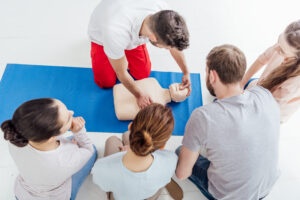
Practical parts involve hands-on training experiences that permit individuals to practice their abilities under practical conditions.

Examples of Practical Exercises
CPR Simulation Choking Avoidance Drills Playground Accidents Action ScenariosThese activities help solidify theoretical expertise via real-world applications.
Advantages of Practical Learning
Skill Proficiency: Makes it possible for participants to confidently execute first aid techniques. Immediate Responses: Facilitators can correct blunders on the spot. Realistic Experience: Prepares instructors for actual emergencies they could face.Striking the Right Balance In Between Composed and Practical Training
How Do We Attain Balance?
Finding equilibrium in between written and useful elements is crucial for reliable knowing results:
- Combine theoretical lessons with practical simulations. Schedule regular refresher courses that integrate both elements. Encourage peer-to-peer discussions concerning experiences associated with case coverage protocols.
Renewal Timelines for Certification
Maintaining certification needs regular renewals-- usually every 3 years-- to make certain abilities remain current:
|Accreditation Kind|Renewal Frequency|| ---------------------|------------------|| HLTAID012|Every 3 Years|| Advanced First Aid|Every 3 Years|
This stresses the need for continual learning with both created and sensible components.
Addressing Details Situations Through First Aid Training
Recognising Bronchial asthma Signs in Children
Understanding bronchial asthma signs and symptoms is essential for educators:
- Shortness of breath Wheezing sounds Persistent coughing
Proper training furnishes caretakers with devices to identify these indications at an early stage, resulting in timely interventions like providing medicine using an Epipen when necessary.
Managing Minor Wounds Effectively
Wound monitoring is an usual circumstance dealt with by teachers:
Assessing the intensity of injury Cleaning and dressing wounds appropriately Understanding when to escalate careEducators need to recognize with these procedures via both written instruction and sensible demonstrations.
Choking Avoidance Techniques
Choking prevention is vital in atmospheres where little kids exist:
- Teach children proper consuming techniques. Familiarize staff with Heimlich maneuver procedures.
Both created guidelines and physical method are essential below; understanding what steps to take is only half the fight-- being able to implement them efficiently is just as important.
Childproofing Strategies for Safe Environments
How Can Educators Implement Childproofing Techniques?
Creating risk-free instructional environments involves diligent childproofing initiatives:
Regularly examine playground equipment. Ensure all harmful materials are out of reach. Educate parents on child care safety and security hazards associated with home environments.These methods ought to be sustained by detailed training programs including both concept (composed) and method (hands-on workouts).
FAQs Regarding Emergency treatment Training
What Is HLTAID012 Provide Emergency Treatment in Education?
HLTAID012 Offer Emergency treatment in Education refers to an across the country acknowledged training course created particularly for those working within academic setups, concentrating on handling emergency situations including kids successfully while adhering to legislative requirements.
Why Are Events Reporting Protocols Important?
Incident coverage procedures serve as necessary paperwork devices that Wagga Wagga First Aid Course Near Me - First Aid Pro track cases accurately-- helping companies examine trends over time which can boost safety and security standards significantly throughout childcare centers or schools.
What Are Toddler Emergency treatment Basics Australia Covers?
Toddler emergency treatment essentials cover vital areas like recognizing typical youth diseases (such as fevers), providing mouth-to-mouth resuscitation customized especially for toddlers, dealing with allergies consisting of epinephrine management, etc, guaranteeing caregivers are well-prepared!
What Needs to Be Consisted of In A Childcare Centre Emergency Treatment Set Australia?
A well-stocked childcare center emergency treatment kit should contain items such as band-aids, antibacterial wipes, gauze pads, scissors, handwear covers & & a detailed guideline overview on utilizing these materials effectively!
How Commonly Needs to Childcare Staff Participate In Emergency Treatment Refreshers?
It's recommended that childcare staff take part in correspondence course every year or at least bi-annually; this guarantees they remain existing with ideal techniques & & regulatory updates!

What Are Some Trick Things For Carrying Out Baby CPR Australia Guidelines?
When carrying out Baby CPR comply with these key points: make sure airway clearance by tilting back gently-- a few smokes adhered to by upper body compressions if essential! Always prioritize obtaining emergency help while performing CPR until help arrives!
Conclusion
The balance in between written and practical elements in emergency treatment best first aid training classes Wagga Wagga training can not be overstated; each facet complements the various other while enhancing crucial abilities required within academic atmospheres nationwide! By committing ourselves towards detailed knowing approaches-- educators will most certainly grow safer rooms where children prosper without fear-- ultimately linking voids between concept & & method flawlessly!
In summary, understanding just how ideal we come close to "Created vs Practical Components of Emergency Treatment Training: Locating the Right Balance" will equip specialists throughout industries! So let us invest appropriately right into our futures today-- for tomorrow awaits its heroes all set at any moment!